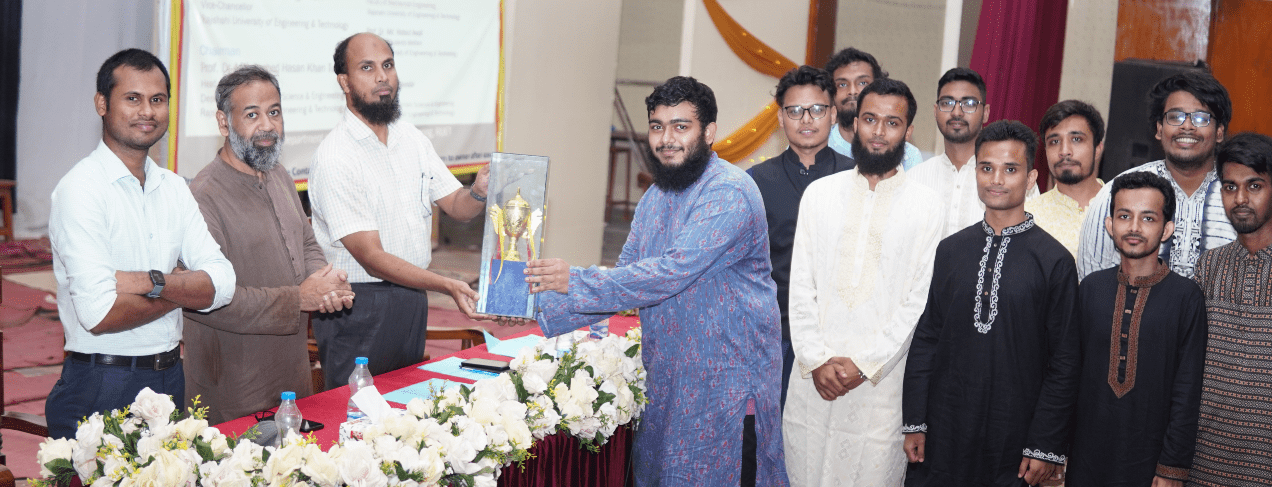
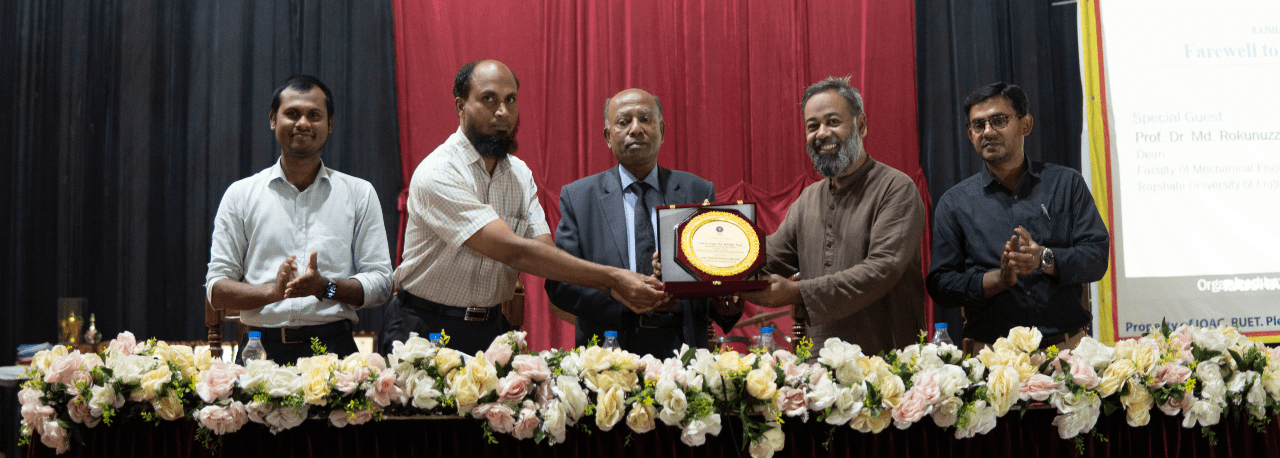
• Farewell and Reception Ceremony of MSE Department

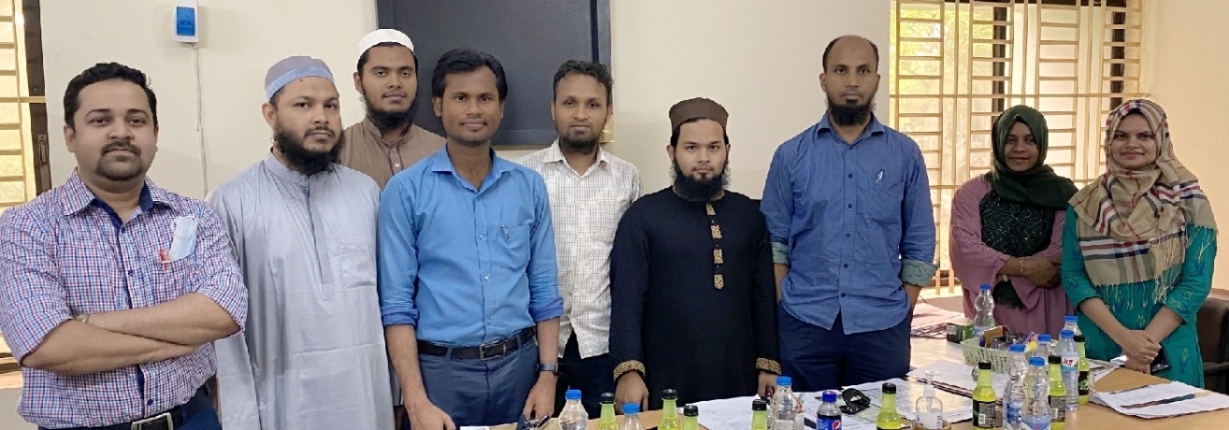
  • Respected teachers of Materials Science & Engineering Department, RUET.

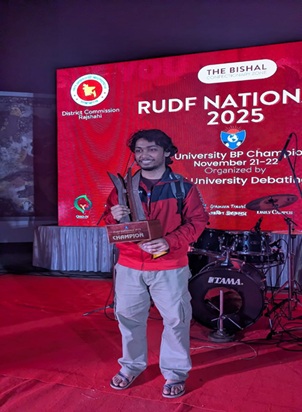
  • Winner Team

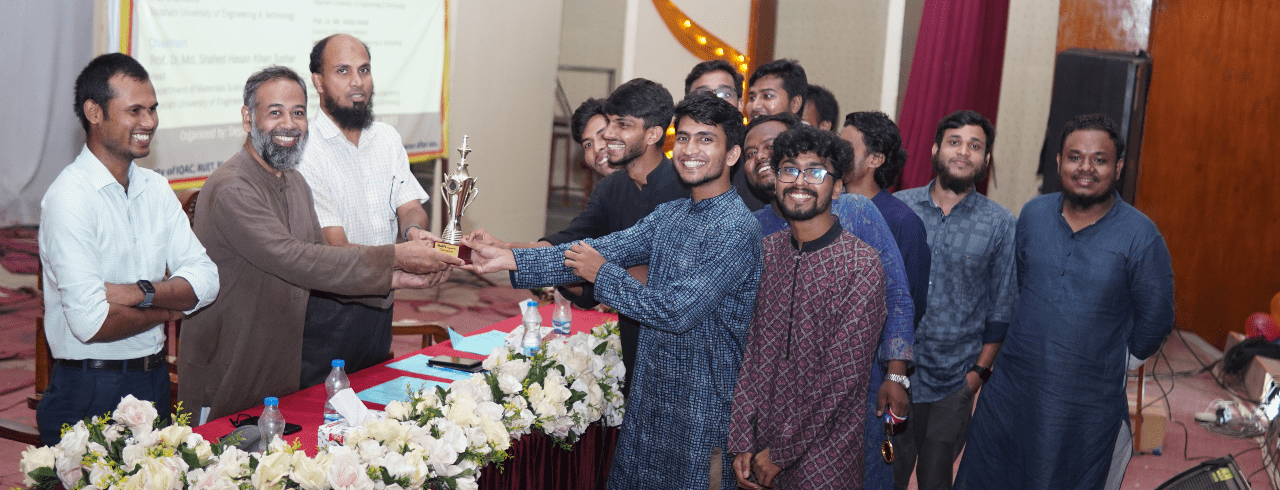
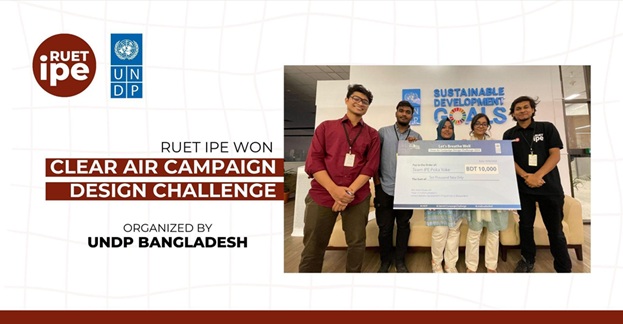
  • Runner-Up

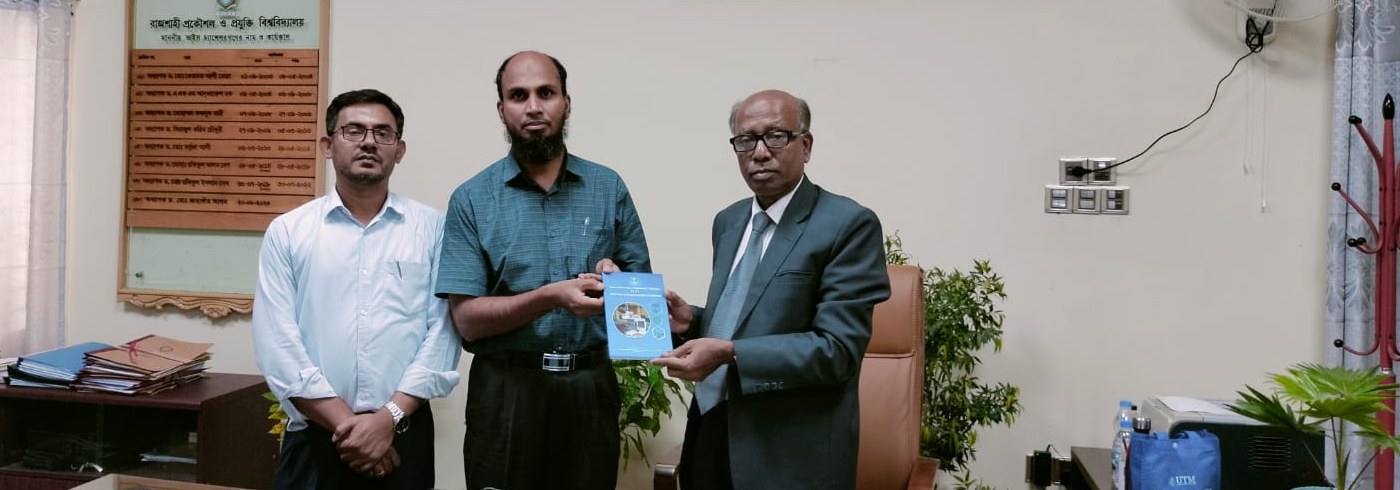
  • Handing Over the Information Catalogue of the Department of MSE to Honorable Vice-Chancellor Sir

Head Message
Dr. Md. Aminul Islam
Head of MSE

As the Head of the department of Materials Science & Engineering (MSE), I take the privilege to welcome you to the world of materials at Rajshahi University of Engineering & Technology (RUET). Modern era is an exciting time to be doing Materials Science & Engineering as we are truly living in a “Materials World”. Here, new materials-based technologies are developed to address the grand challenges not only for current days but also for the future time as well that the current society...

Head Message
Dr. Md. Aminul Islam
Head of MSE

As the Head of the department of Materials Science & Engineering (MSE), I take the privilege to welcome you to the w...

Tesla Collaborated with Team Crack Platoon

Multinational automotive company Tesla, Inc. collaborated with Team Crack Platoon with battery packs. This is the first time in the history of Bangladesh Tesla collaborated with any  student team of Bangladesh.  On 15th September,2024...

Team Annexe RUET

Team Annexe RUET has participated in the Formula Kart Design Challenge-FKDC season 7 very successfully held at  Coimbatore, Tamil Nadu in India on 29 October by the cordial support of Professor Dr. Md. Jahangir Alam, Vice-Chancellor of RUET. On...

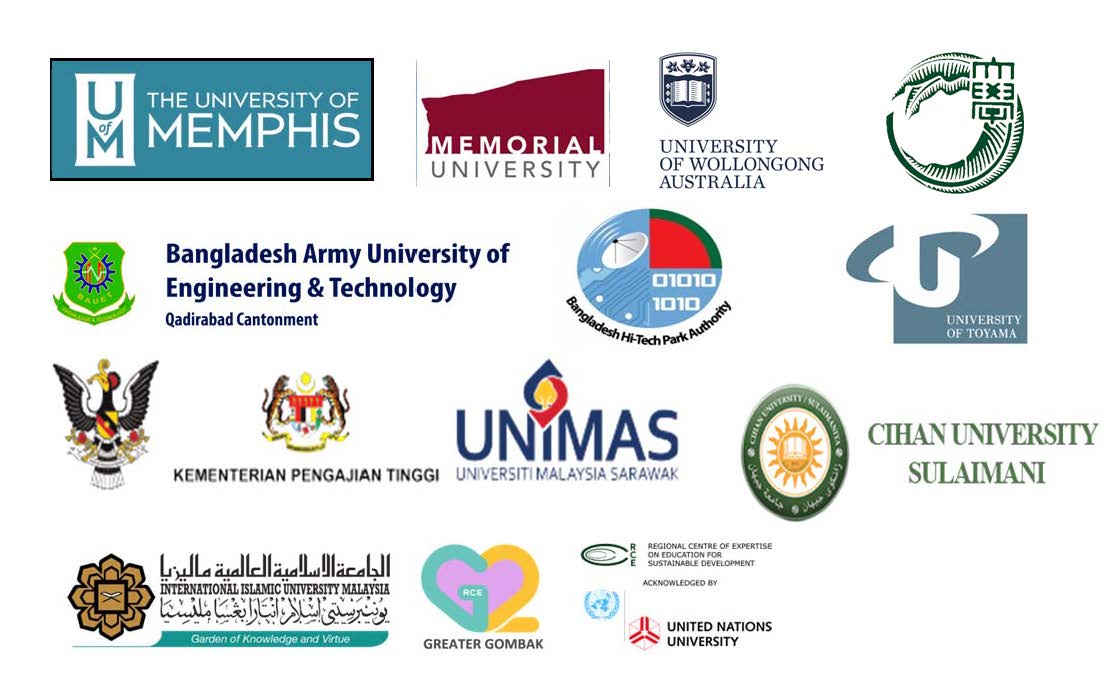
MoU with Various University and Industries

 Serial  Name of The University/Industry  Website ...
MSE of RUET

About MSE read more

Department of Materials Science and Engineering

Materials Science and Engineering (MSE) is an interdisciplinary field merging engineering, physics and chemistry principles to resolve the real-world matters linked with nanotechnology, biotechnology, information technology, energy, manufacturing and other major engineering disciplines. In other words, it is actually an area concerning the generation and infliction of knowledge relating to the structure, composition and processing of materials to their properties and usage. Materials scientists conceive and construct various ways to combine chemical elements into materials with unrivalled functional properties also exploring the performance through the apprehension of the material from an atomic level. Therefore, Materials scientists are dedicated to work with diverse types of materials (e.g., metals, polymers, ceramics, composites etc.) for a broad range of applications utilizing modern technology and discovery principles. Other branches of science and engineering rely heavily on materials scientists and engineers for the advanced materials like lightweight composites used for faster vehicles, optical fibres for telecommunications and silicon microchips for the information revolution, safer cars with better gas mileage and so on.

Department of Materials Science and Engineering of RUET lately started its journey in 2017 offering only the undergraduate (B. Sc. in Engineering) degree. But as a recent department it offers quite booming and potential academic environment as well as undergraduate research opportunities to the students. Our academic and research activities are mainly focused on developing new materials to advance the technology, also operating various processes that transform raw materials into useful engineering products ultimately improving the quality of lives in this modern era.


Ongoing Research Projects read more

This section presents a curated list of currently active research projects being conducted by faculty members of the department, highlighting diverse focus areas within Materials Science & Engineering and ongoing efforts toward scientific advancement and technological innovation.


SL No.

Project Title

Project Director

1.

Title: Design and Performance Investigation of MXene-Based Thermoelectric Nanogenerator for Enhanced Efficiency in PV–TEG Systems


Summary: This project focuses on developing MXene-based thermoelectric nanogenerators to recover waste heat from photovoltaic (PV) panels and improve overall system efficiency. It investigates material synthesis routes, device architecture, and interfacial engineering to enhance electrical conductivity and Seebeck coefficient. Thermal stability and mechanical durability under outdoor operating conditions are also assessed. Integration strategies for hybrid PV–TEG systems are explored to maximize energy harvesting. The research aims to contribute to next-generation renewable energy technologies with higher conversion efficiency.

Dr. Md. Aminul Islam

2.

Title: Developing Biodegradable Packaging Materials with Plasticized and Compatibilized Betel Nut Fiber–Reinforced Polylactic Acid (PLA) Bio-Composites.


Summary: This project aims to develop fully biodegradable packaging materials by reinforcing polylactic acid (PLA) with treated betel nut fibers. Plasticizers and compatibilizers are incorporated to improve interfacial bonding, flexibility, and processability. Mechanical strength, thermal stability, and moisture barrier properties are systematically evaluated. Microstructural studies are conducted to assess fiber dispersion and adhesion within the polymer matrix. The research seeks to utilize agricultural waste while advancing sustainable alternatives to conventional plastic packaging.

Maliha Rahman

3.

Title: Fabrication and Analysis of Potassium Bismuth Titanate Nanoparticles Incorporated Polymeric Dielectric Nanocomposites for Enhanced Energy Storage Applications


Summary: This study focuses on incorporating potassium bismuth titanate (KBT) nanoparticles into polymer matrices to fabricate high-performance dielectric nanocomposites. The project investigates synthesis routes, dispersion strategies, and filler–polymer interactions to improve dielectric constant and breakdown strength. Electrical, thermal, and mechanical properties are comprehensively characterized. Structure–property relationships are analyzed to optimize energy storage performance. The research targets applications in advanced capacitors and flexible electronic devices.

Pabitro Prosad Mondal

4.

Title: Formulation of Sustainable Calcium Hydroxyapatite-Based Nano Fertilizer Using Biogenic Materials


Summary: This project focuses on synthesizing calcium hydroxyapatite nanoparticles from biological waste sources to develop eco-friendly nano fertilizers. Processing routes are designed to ensure controlled particle size and nutrient release behavior. Physicochemical characterization and soil interaction studies are conducted to evaluate performance. The environmental benefits and nutrient-use efficiency are assessed in comparison to conventional fertilizers. The research supports sustainable agriculture and circular-economy practices.

Abdullah-Al-Mazed Khan

5.

Title: Synthesis and Characterization of Ferrite-Based Composites as Electrode Materials for Pseudocapacitors


Summary: This study aims to develop ferrite-based composite materials for high-performance pseudocapacitor electrodes. Various synthesis techniques are explored to tailor morphology, porosity, and electrical conductivity. Electrochemical performance—including capacitance, cycling stability, and rate capability—is systematically evaluated. Structural and surface analyses are carried out to correlate microstructure with energy-storage behavior. The project contributes to advanced materials for next-generation energy storage devices.

Md. Rafsan Jani Rudro

6.

Title: Fabrication and Characterization of Dual-Layer Coatings on As-Cast Magnesium Alloys for Biomedical Applications


Summary: This project investigates protective dual-layer coatings on magnesium alloys to improve corrosion resistance and biocompatibility for biomedical implants. Coating architectures are designed to control degradation rate while maintaining mechanical integrity. Surface morphology, adhesion strength, and electrochemical behavior are thoroughly examined. In-vitro bioactivity and cytocompatibility tests are included to assess clinical potential. The research aims to enhance the safe use of biodegradable magnesium-based implant materials.

Ratul Islam Antor


Features